پادشاهی که یک کشور بزرگ را حکومت میکرد، باز هم از زندگی خود راضی نبود؛ اما خود نیز علت را نمیدانست.
روزی پادشاه در کاخ امپراتوری قدم میزد. هنگامی که از آشپزخانه عبور میکرد، صدای ترانهای را شنید. به دنبال صدا، پادشاه متوجه یک آشپز شد که روی صورتش برق سعادت و شادی دیده میشد.
پادشاه بسیار تعجب کرد و از آشپز پرسید: “چرا اینقدر شاد هستی؟” آشپز جواب داد: “قربان، من فقط یک آشپز هستم، اما تلاش میکنم تا همسر و بچهام را شاد کنم. ما خانهاي حصیری تهیه کردهایم و به اندازه کافی خوراک و پوشاک داریم. بدین سبب من راضی و خوشحال هستم…”
پس از شنیدن سخن آشپز، پادشاه با نخست وزیر در این مورد صحبت کرد. نخست وزیر به پادشاه گفت : “قربان، این آشپز هنوز عضو گروه 99 نیست!!! اگر او به این گروه نپیوندد، نشانگر آن است که مرد خوشبینی است.”
پادشاه با تعجب پرسید: “گروه 99 چیست؟؟؟”
نخست وزیر جواب داد: “اگر میخواهید بدانید که گروه 99 چیست، باید اين کار را انجام دهید: یک کیسه با 99 سکه طلا در مقابل در خانه آشپز بگذارید. به زودی خواهید فهمید که گروه 99 چیست!!!”
پادشاه بر اساس حرفهای نخستوزیر فرمان داد یک کیسه با 99 سکه طلا را در مقابل در خانه آشپز قرار دهند.
آشپز پس از انجام کارها به خانه باز گشت و در مقابل در کیسه را دید. با تعجب کیسه را به اتاق برد و باز کرد. با دیدن سکههای طلایی ابتدا متعجب شد و سپس از شادی آشفته و شوریده گشت. آشپز سکههای طلایی را روی میز گذاشت و آنها را شمرد. 99 سکه؟؟؟ آشپز فکر کرد اشتباهی رخ داده است. بارها طلاها را شمرد؛ ولی واقعاً 99 سکه بود!!! او تعجب کرد که چرا تنها 99 سکه است و 100 سکه نیست!!! فکر کرد که یک سکه دیگر کجاست و شروع به جستجوی سکه صدم کرد. اتاقها و حتی حیاط را زیر و رو کرد؛ اما خسته و کوفته و ناامید به این کار خاتمه داد!!!
آشپز بسیار دل شکسته شد و تصمیم گرفت از فردا بسیار تلاش کند تا یک سکه طلایی دیگر به دست آورد و ثروت خود را هر چه زودتر به یکصد سکه طلا برساند.
تا دیروقت کار کرد. به همین دلیل صبح روز بعد دیرتر از خواب بیدار شد و از همسر و فرزندش انتقاد کرد که چرا وی را بیدار نکردهاند!!! آشپز دیگر مانند گذشته خوشحال نبود و آواز هم نمیخواند؛ او فقط تا حد توان کار میکرد!!!
مرجع: از نامههای ارسالی دوست خوبم مرتضی
گزیده:
زندگي پل است. از آن عبوركنيد، ولي روي آن چيزي بنا نكنيد. بودا
گروه 99
بازگشت به اینترنت
بیش از یک هفته بود که از نعمت اینترنت محروم بودم. بعد از مدتها، امروز ارتباط با اینترنت دوباره برقرار شد. احساس خوبی است، احساس ارتباط با دهکده جهانی ![]()
گزیده:

ده تکنولوژیای که زندگیتان را متحول خواهند کرد

10 – Digital Libraries
Having total connectivity is pointless if all you get is the latest gossip about Paris Hilton. But the digitization of mankind’s accumulated works proceeds apace. All of MIT’s courses are now online, for instance, and, if you haven’t done so, check out Google Book Search. The time will come when any straightforward factual question can be answered immediately, online. But, alas, those are always the easy questions.
9 – Gene Therapy and/or Stem Cells
A lot of maladies actually involve inherited conditions–they’re in your genes, in other words. But scientists are working to change those genes and trick defective cells into growing correctly. Perhaps, someday, birth defects will be as treatable as pneumonia.
8 – Pervasive Wireless Internet
WiMAX, 3G, 4G, etc., all point to a pervasive wireless Internet, where being on-line everywhere, all the time, will be routine. That implies the possibility of full connectivity between any two random devices. Want to check your burglar alarm from your cell phone? It’ll be easy. Unjacking to get away and relax, however, may not be so easy.
7 – Mobile Robots
The recent DARPA challenge (where robot cars navigated through suburban traffic) hints at what might come. Why drive to the deli to pick up your order when you can just send your car? We may see convoys of robot trucks on the highways. Admittedly, they’ll probably have more initial acceptance in warehouses, handling pick-and-pull chores.
6 – Better, Cheaper Solar Cells
The cost of photovoltaic cells (that turn sunlight into electricity) are coming down. In less than ten years the cost of solar energy could be at parity with the cost of electricity from the grid, and solar cells could be standard features in new residential construction. Your house could power itself about a third of the time. (Science can’t do much about night and bad weather.)
5 – Location-Based Computing
Instead of clicking an icon on a browser screen, you can walk outside, point your cell phone at an actual three-dimensional thing (presumably, a building that houses a business), click the phone, and get information about (or jump to the Web site of) whatever you were pointing at. As well as servers with Internet address, there will be servers with geographic coordinates
4 – Desktop 3-D Printing
Instead of going to the store for your next gadget, you might download a design of your choosing and generate it in your desktop 3-D printer. The next step will be to design your own gadgets, post the designs, and sell them, etc. Toys, kitchenware, and decorative household items should be fair game, at least. Cottage industry, here we come!
3 – Moore’s Law Upheld
The law, stated by Intel cofounder Gordon Moore in 1965, implies that available computer power can be expected to double every other year. For at least two decades pundits have been pointing out barriers to the law’s fulfillment, and the chip industry has been smashing those barriers. Currently they can’t agree if the law has a couple of more decades of life left, or 600 years. Either way, in terms of available computing power, it’s clear that we ain’t seen nothing yet.
2 – Therapeutic Cloning
Forget the stories about generating identical copies of a particular sheep or person. The whole idea behind cloning all along has been to grow replacement organs or tissue in a vat, which the body would see no reason to reject. Cancerous or damaged organs could be replaced by new, disease-free clones of themselves.
1 – The Hydrogen Economy
Instead of guzzling imported oil (and being at the mercy of oil suppliers) we could turn water into hydrogen and burn that (or use to charge fuel cells.) Meanwhile, the only byproduct of the combustion of hydrogen is … more water! However, hydrogen storage remains a thorny issue, due to its low density, and hydrogen may end up being only one of many interlocking components that replace the current oil economy.
Reference: www.livescience.com
گزیده:
ديوانگی بشر آنچنان ضروری است که ديوانه نبودن خود شکل ديگری از ديوانگی است. پاسکال
Bruce Eckel
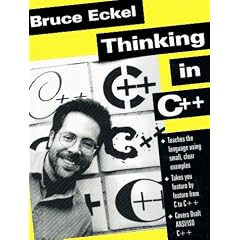
قدیما که اینترنتی نبود ( یعنی بود ولی وقتی نداشته باشید، نداشتن عین نبودن است)، با پیدا کردن کتابی، خوشحال و سرمست میشدیم. از “ب” بسم الله تا “ن” والضالین را، نه یکبار که دهها بار میخواندیم. کتاب Bruce Eckel یکی از اولین کتابهایی بود که خواندم. نمیدانم کدام یک از دوستان و همکلاسیها، آن را به من داد، هر که بود، سلامت و سربلند باشد.
مطلب بالا را نوشتم تا سایت Bruce Eckel را معرفی کنم. بد نیست گهگاهی سری به آن بزنید. حتماً مطلب جالبی برای خواندن پیدا خواهید کرد.
Bruce Eckel (www.BruceEckel.com) is the author of Thinking in Java (Prentice-Hall, 1998, 2nd Edition, 2000, 3rd Edition, 2003, 4th Edition, 2006), the Hands-On Java Seminar CD ROM (available on the Web site), Thinking in C++ (PH 1995; 2nd edition 2000, Volume 2 with Chuck Allison, 2003), C++ Inside & Out (Osborne/McGraw-Hill 1993), among others. He’s given hundreds of presentations throughout the world, published over 150 articles in numerous magazines, was a founding member of the ANSI/ISO C++ committee and speaks regularly at conferences. He provides public and private seminars & design consulting in OO Design, Python, Java and C++.

گزیده:
Keep looking around. There’s always something you’ve missed. (Anonymous)
John M. Nevison, 13 Risk Rules for New Project Managers
استفاده مجدد (Reuse)
Reuse is something that is far easier to say than to do. Doing it requires both good design and very good documentation. Even when we see good design, which is still infrequently, we won’t see the components reused without good documentation.
– D. L. Parnas, _Software Aging. Proceedings of 16th International Conference Software Engineering, 1994
گزیده:
Learn from the mistakes of others. You won’t live long enough to make all of them yourself. (Sam Levenson)
John M. Nevison, 13 Risk Rules for New Project Managers
Common Misconceptions about Software Architecture – Part II
“Architecture is [insert favorite technology here].”
“The network is the architecture. The database is the architecture. The transaction server is the architecture. The GUI is the architecture. CORBA is the architecture. This standard is the architecture…” This is a special case of the previous point. Yes, many of these aspects are part of the architecture, but the architecture cannot be restricted to one aspect only.
Architecture is more than just a “technology watch,” but I see many organizations in which the major role of the software architect seems to be experimenting with interesting new technologies. Often this is also the consequence of having architects who all come from one single specialty: for example, an architecture team comprised solely of data engineers. I was told recently: “We do not need anybody to work on architecture; our company has standardized on three-tier client-server architecture.”
Philippe Kruchten
گزیده:
The three most useless things to a project manager are: unnecessary product features, yesterday’s calendar, and “90% done” work.
John M. Nevison, 13 Risk Rules for New Project Managers
Common Misconceptions about Software Architecture- Part I
“Architecture is design.”
Yes, architecture is design. It is about making the difficult choices on how the system will be implemented. It is not just the “what.” But not all design is architecture.
Architecture is one aspect of the design, focusing on the major elements — the elements that are structurally important, but also those that have a more lasting impact on the performance, reliability, cost, and adaptability of the system. Architecting is choosing the small set of mechanisms, patterns, and styles that are going to permeate the rest of the design and give it its integrity. Architecture is the tool that allows us to master complexity. It cannot be the whole design. It has to limit itself to a certain level of abstraction but still be concrete enough to draw definite conclusions. It is not just “high-level design.”
What shall the architect focus on, then? There is no universal answer. For any given project, a decision needs to be made about what is architecturally significant so that we can draw that thin and elusive line between architecture and the rest of the design activities.
“Architecture is infrastructure.”
Yes, the infrastructure is an integral and important part of the architecture: It is the foundation. Choices of platform, operating systems, middleware, database, and so on, are major architectural choices.
But there is far more to architecture than just the infrastructure. The architects have to consider the whole system, including all applications; otherwise an overly narrow view of what architecture is may lead to a very nice infrastructure, but the wrong infrastructure for the problem at hand.
Time and time again, I run into this in organizations in which an architecture team is working solely on infrastructure, largely ignorant of the problem domain and the application software — which they consider to be outside of the architecture. “Oh, you mean the application. That’s what the people in the other building do.”
Philippe Kruchten
گزیده:
Projects aren’t dangerous. Risks are dangerous.
John M. Nevison, 13 Risk Rules for New Project Managers