پیام دلنشین

  • یوسف مهرداد بی‌بالان

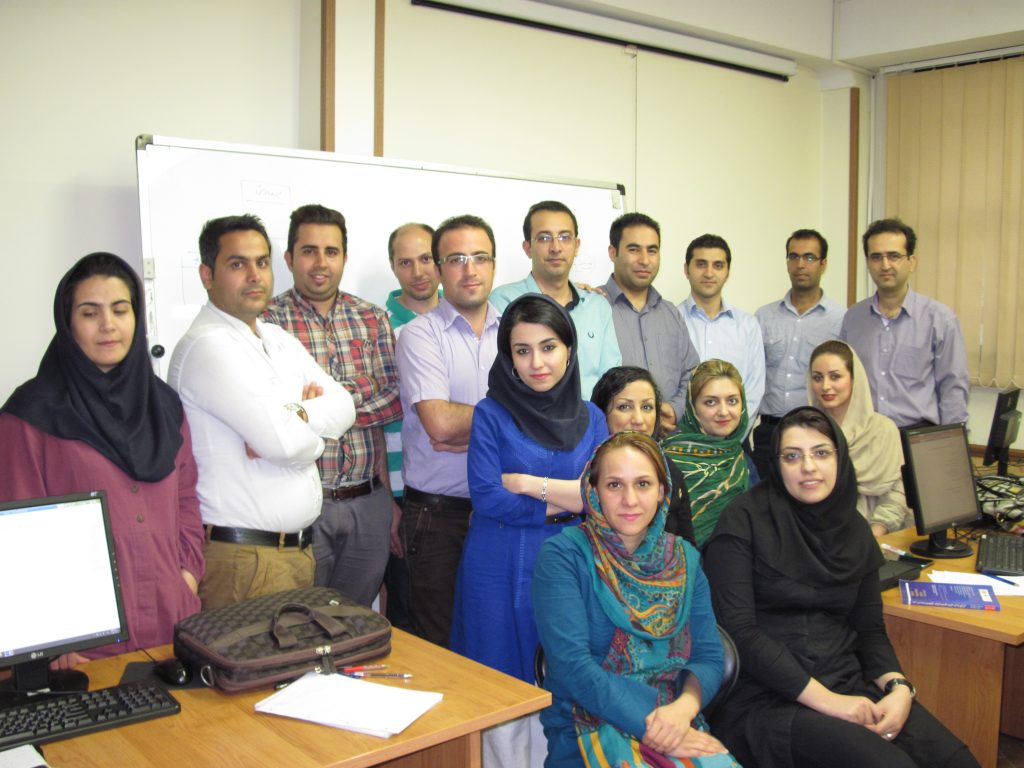
این پیام رو امروز از طرف یکی از دوستان دریافت کردم و صادقه عرض کنم که احساس خوبی پیدا کردم. از ایشان هم برای این پیام دلنشین‌شان سپاسگزارم.

سلام
دو تا کتاب‌های اسکرام تون رو گرفتم دیروز
چقدر خوب و روان نوشتید
تشکر
و خوش به حال شما که آثاری به این قشنگی در این دنیا گذاشتید
تشکر
اولش ادم رو یاد کتاب هدف میندازه


پ.ن. کتاب هدف از آقای گلدرات ترجمه مهندس نقشینه (اینجا)

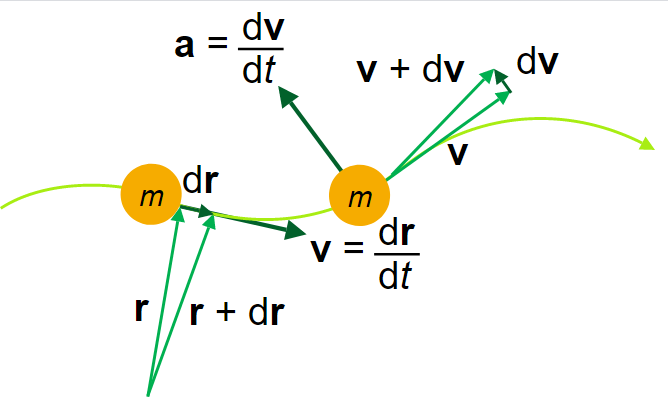
what-velocity-means

  • یوسف مهرداد بی‌بالان

When talking about it informally, I define velocity as simply a measure of how fast a team is going. And for most purposes, this definition works quite well. However, it creates confusion on some of the finer points of what should count in calculating a team’s velocity. This confusion comes about because there are really two more precise ways of defining velocity. Let’s see what they are.

1) Velocity measures how much functionality a team delivers in a sprint.
2) Velocity measures a team’s ability to turns ideas into new functionality in a sprint.

Those may sound the same. They are subtly different. To see how, suppose you hop in a river and begin swimming. After an hour, you measure how far you’ve traveled, and you are 2 kilometers from where you began. In agile terms, we might want to call this your velocity and say you swim 2 kilometers per hour or per sprint, if a swimming sprint is an hour long.

But, what if the river had been flowing at the rate of one kilometer per hour against you while you swam? In that case, you really swam 3 kilometers. Measured against the banks of the river, you’ve only moved two kilometers of physical distance. But while going forward two kilometers, you overcame being pushed backward one kilometer by the river.

So, is your velocity two or three? If we use our first definition—velocity is how much a team delivers in a sprint—then velocity is two. This swimmer delivered 2 kilometers of progress.

If we use our second definition—velocity is the ability to turn ideas into new functionality—then velocity is three. This swimmer has the ability to deliver 3 kilometers of progress per sprint, and we’d see that he was swimming in a lake with no current instead of a river.

To see how this applies to an agile project, consider the issue of whether a team should earn velocity credit for fixing bugs during a sprint. A team that uses velocity to measure how much functionality is delivered in a sprint will not claim credit for bug fixes. No new functionality has been delivered. So no points are earned.

A team using defining velocity as the ability to turn ideas into functionality, on the other hand, will claim credit for bug fixes. Their logic is that the time spent on bug fixing could have been spend adding new functionality except the product owner prioritized different work for them.

For many teams, the two definitions will yield the same value. Values will differ most for teams doing work for which they are not taking velocity credit–usually teams doing things like a lot of bug fixing or doing large amounts of refactoring.

Neither of these subtle differences in the definition of velocity is always better than the other. The one you use should largely depend on what you hope to learn by measuring it and by your expectations about the future.

If you expect the future to be just like today—that is, the team will spend the same amount of time doing bug fixing, refactoring and the like as they do now, then using velocity as a measure of how much forward progress is made will be the right answer for you.

However, if you expect the future to be different—perhaps the large refactoring and time spent fixing bugs will soon be over—then you may want to define velocity as the team’s ability to turnideas into functionality, and would then add to velocity the points given to those activities.

The most important thing is to clarify with everyone on the team, including the product owner and ScrumMaster, is exactly what your team means when they use the term “velocity.” Having a precise definition makes it very easy to answer questions that come up around what should be counted when measuring velocity.

Source: www.mountaingoatsoftware.com

Let’s make every day count

  • یوسف مهرداد بی‌بالان

Dear friends,
Last Sunday was my birthday. That got me thinking about the days leading to this one and those that may lie ahead.
As a reader of The Batch, you’re probably pretty good at math. But let me ask you a question, and please answer from your gut, without calculating.
How many days is a typical human lifespan?

  • 20,000 days
  • 100,000 days
  • 1 million days
  • 5 million days

When I ask friends, many choose a number in the hundreds of thousands. (Many others can’t resist calculating the answer, to my annoyance!)
When I was a grad student, I remember plugging my statistics into a mortality calculator to figure out my life expectancy. The calculator said I could expect to live a total of 27,649 days. It struck me how small this number is. I printed it in a large font and pasted it on my office wall as a daily reminder.

That’s all the days we have to spend with loved ones, learn, build for the future, and help others. Whatever you’re doing today, is it worth 1/30,000 of your life?
Let’s make every day count.

Keep learning!
Andrew

P.S. Don’t worry about me. I’m healthy and plan to stick around for awhile.
P.P.S. A huge thank-you to everyone who responded to my earlier online note about my birthday! ❤️

Source: An email from Andrew Ng

بهار 1393: دوره تحلیل نیازمندی‌های نرم‌افزاری

  • یوسف مهرداد بی‌بالان

نامه‌ای برای کشف شدن

  • یوسف مهرداد بی‌بالان

این روزها، نامه‌ی معروف تام هنکس 17 ساله را بارها و بارها خوانده‌ام. با هر بار خواندنش، احساس جالبی پیدا می‌کنم و انگیزه‌ام برای انجام یک سری از کارهای دشوار دوچندان می‌شود. تام هنکس جوان، این نامه را در سال 1974 به کارگردان معروف آمریکایی، “جرج روی هیل” که در همان سال برنده جایزه اسکار شده بود، نوشت. جوانی گمنام که بعدها به یکی از بهترین بازیگران سینمای آمریکا و جهان تبدیل شد. تام هنکس در این نامه از هیل می‌خواهد که او را “کشف کند“، چیزی که بارها در زندگی به آن نیاز پیدا می‌کنیم!

گزیده:

If it wasn’t hard, everyone would do it. It’s the hard that makes it great. Tom Hanks


نامه:

“آقای هیل عزیز

فیلم بسیار سرگرم‌کننده و برنده جایزه “نیش” به کارگردانی شما با بازی پل نیومن و رابرت ردفورد را دیدم و از دیدن آن بسیار لذت بردم. در مجموع شایسته و مناسب است که بگویم شما باید من را “کشف” کنید. اکنون، در این لحظه می‌دانم شما به چه فکر می‌کنید: “این بچه کیست؟” و من می‌توانم نگرانی‌های شما را درک کنم. من هیچ‌کس نیستم. هیچ‌کس خارج از دبیرستان اسکای‌لاین اسم من را نشنیده است… من ظاهر خیره‌کننده‌ای ندارم، شبیه یک خدای یونانی نیستم و حتی سبیل هم ندارم، اما تصور می‌کنم اگر آدم‌ها پول بدهند تا فیلم‌های خاص را ببینند… پول می‌دهند تا من را ببینند.

اجازه بدهید روی جزئیات کشف کردن من کار کنیم. می‌توانیم این کار را همان‌طور که لانا ترنر کشف شد، انجام بدهیم. من در یک مغازه روی چهارپایه نشسته‌ام، شما وارد می‌شوید و من را می‌بینید و -بنگ- من یک ستاره هستم.

یا شاید بتوانیم به این شکل عمل کنیم. من یک روز به دفتر کار شما می‌آیم و تقاضا می‌کنم به من کاری بدهید. شما برای اینکه از شر من راحت شوید نقش یک بدل را در فیلم بعدی‌تان به من می‌دهید. هنگام فیلمبرداری پای ستاره فیلم در رختکن می‌شکند و از آنجا که شما همین حالا هم از برنامه زمانی عقب هستید، به زور آن نقش را به من می‌دهید و -بنگ- من یک ستاره هستم.

من با هیچ‌یک از این نقشه‌ها مشکلی ندارم، شاید هم بتوانیم آن‌طور که شما می‌خواهید این کار را انجام بدهیم. برای من فرقی نمی‌کند! اما اجازه بدهید یک چیز را صریح بگویم آقای هیل، من نمی‌خواهم یک سوپراستار هالیوود باشم که در اوج شهرت قرار دارد و اطرافش پر از دختر است. فقط می‌خواهم یک پسر آمریکایی باشم که خیلی معروف است، یک پورشه دارد و رابرت ردفورد را “باب” صدا می‌کند.

با احترام
دوست همیشگی شما
تامس جی. هنکس”
منبع: هنر آنلاین


Dear Mr Hill,

Seeing that I have seen your fantastically entertaining and award-winning film The Sting, starring Paul Newman and Robert Redford, and enjoyed it very much, it is all together fitting and proper that you should ‘discover’ me. Now, right away I know what you are thinking: ‘Who is this kid?’ and I can understand your apprehensions. I am a nobody. No one outside of Skyline High School has heard of me … My looks are not stunning. I am not built like a Greek God, and I can’t even grow a mustache, but I figure if people will pay to see certain films … they will pay to see me.

Let’s work out the details of my discovery. We can do it the way Lana Turner was discovered, me sitting on a soda shop stool, you walk in and notice me and – BANGO – I am a star. Or maybe we can do it this way. I stumble into your office one day and beg for a job. To get rid of me, you give me a stand-in part in your next film. While shooting the film, the star breaks his leg in the dressing room, and, because you are behind schedule already, you arbitrarily place me in his part and – BANGO – I am a star.

All of these plans are fine with me, or we could do it any way you would like, it makes no difference to me! But let’s get one thing straight. Mr. Hill, I do not want to be some bigtime, Hollywood superstar with girls crawling all over me, just a hometown American boy who has hit the big-time, owns a Porsche, and calls Robert Redford ‘Bob’.

Respectfully submitted,
Your Pal Forever,
Thomas J Hanks


۱۰- پارادوکس تخصص

  • یوسف مهرداد بی‌بالان

الان سال‌هاست که وارد عصر اینترنت شده‌ایم. ویژگی این عصر این است که به محص اینکه یک مسیر از کار و اقتصاد، بسیار سودده می‌شود، انبوهی از آدم‌ها به آن می‌ریزند. آنها که با جستجو در اینترنت و شبکه‌های اجتماعی، متوجه این مسیر جدید رسیدن به پول یا موفقیت شده‌اند، به زودی عرصه را بر هم تنگ می‌کنند.

آیا در این غوغا که یک دفعه هزاران نفر خود را کارشناس خبره یک کار جا می‌زنند، می‌توان باز هم موفق شد یا اینکه باید از این راه جدید، دل بکنیم و به وادی دیگری مهاجرت کنیم؟

حقیقت این است که این سال‌ها دست زیاد شده، اما آدم‌های ماهری که به صورت تخصصی و متمرکز در کاری مهارت داشته باشند، حتی از پیش هم کمتر شده‌اند.

مثال عرض می‌کنم: این سال‌ها تعداد آدم‌هایی که می‌گویند که متخصص بازاریابی، تولید محتوا، طراحی وب، ساخت اپلیکیشن و سئو هستند، خیلی زیاد شده.

اما وقتی شما عملا می‌خواهید کاری سطح بالایی سفارش بدهید، متوجه میشوید که اتفاقا در هر کدام از اینها آدم‌های متخصص بسیار کم هستند. در کمال شگفتی حتی تعداد آدم‌ها یا شرکت‌های کاربلد در برخی از این عرصه‌ها به تعداد انگشتان دو دست هم در یک حدوده جغرافیایی وسیع نمی‌رسد.

نتیجه: در کار خود ماهر و متخصص شوید، طوری که از بقیه کاملا متمایز شوید. روی یک مهارت تمرکز کنید و افق دید خود را گسترده کنید.

حتی در دریایی از آدم‌های با روزومه مشابه، این شما هستید که در نهایت توسط مشتری انتخاب خواهید شد!

منبع: “۱۳ پارادوکس عجیب و تفکربرانگیز زندگی مدرن ” از وب‌سایت یک‌پزشک

یادآوری به خود

  • یوسف مهرداد بی‌بالان

خیلی کم، اما گاهی پیش میاد که مطلبی یا ویدیویی یا مقاله ای که مخلوق دیگری است رو به اشتراک بگذارم تا دیگران ببینن.

هر بار که این کار رو انجام میدم باید به خودم گوشزد کنم که، هِی رفیق، فراموش نکن که قرار نیست چیزی از اعتبار خالق اون اثر با این عملِ به اشتراک گذاشتن، به تو برسه و نمیرسه. بنابراین یه وقت ژست خاصی نگیری!!


منبع: از نوشته‌های دوست عزیزم، مهدی مری در لینکدین

برای خروج از جستجو کلید ESC را بفشارید