Foreword
A host of the timid avails not in war — One warrior man is better than a hundred thousand.
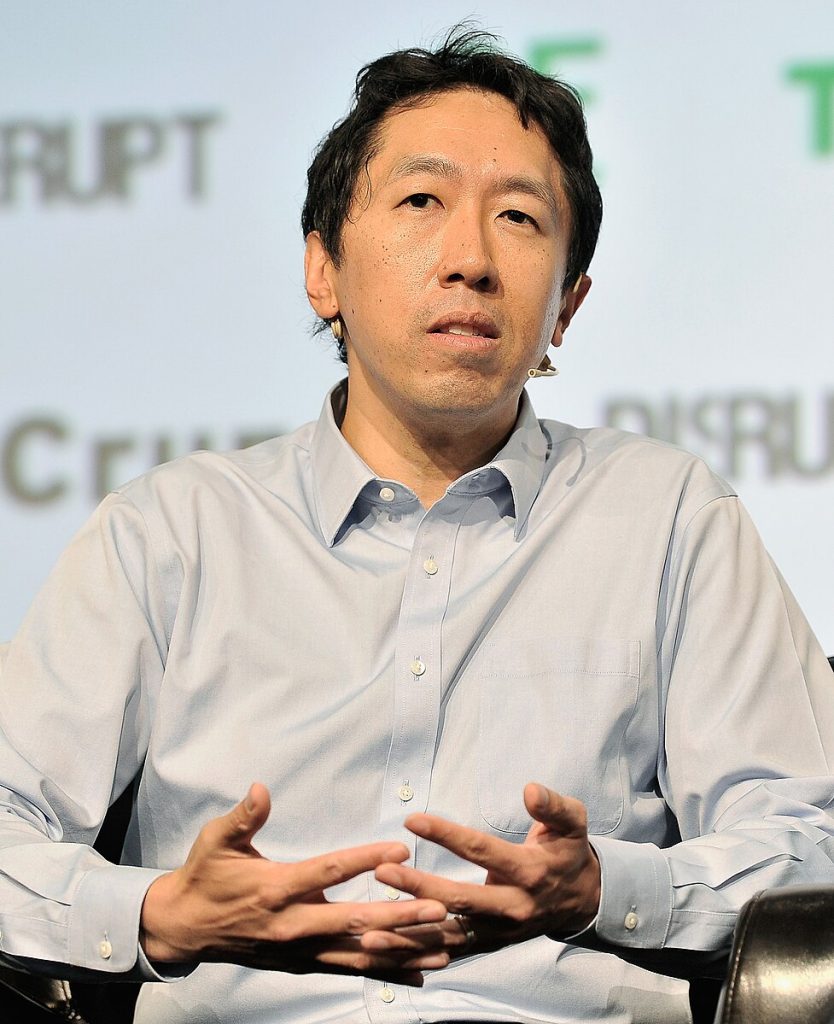
Andrew Ng — founder of DeepLearning.AI and co-founder of Google Brain — has a clear yet challenging message for software developers watching the world of AI:
“AI won’t replace software developers, but software developers who use AI will replace those who don’t. The future of coding is a symphony between human problem-solving and AI’s capacity to execute it quickly. Your core value shifts from writing code to architecture, debugging, and — most importantly — directing intelligent assistants. Learn to speak the language of AI, and you’ll become a 10x-more-powerful engineer.”
The following are excerpts from Andrew Ng’s talk titled “From Code to Product in Hours — The New Reality of AI Development,” some of the key points of which I’ve captured below.
Discussion: Andrew Ng’s key points for developers
In this conversation, Ng explains the practical skills, philosophical shifts, and emerging bottlenecks that developers need to know in order to stay at the front line. The text below is a free interpretation of his remarks.
1) Focus and a new look at speed
Speed is the single biggest predictor of success for innovative projects. AI is the driver of that speed: it makes building prototypes and small standalone products 10× faster, and it increases the speed of producing final, ready-to-use products by about 50%.
2) A new philosophy of software
The new motto of smart teams is “move fast and be responsible.” It means that prototypes are built very quickly in a safe, isolated environment, and then safety and security are added to the selected, scalable ones.
3) Code as an artifact (output)
Because AI can write code, code as an output becomes less valuable. This makes important decisions — such as architecture or database design — more like a “two-way door” (i.e. reversible; in other words, decisions that, if wrong, can be easily corrected). This capability enables more iteration, and even rebuilding from scratch.
4) The new bottleneck
As building software becomes easier, deciding what to build becomes the biggest bottleneck. Ng calls this the “product management bottleneck.”
5) Honing your intuition
Developers should work to develop and sharpen their intuition and inner judgment, drawing on users to make decisions about products. The goal of collecting user data is to train the way you judge — not merely to use it to make a decision in one specific case.
6) Learning to code
The advice that people shouldn’t learn to code because AI will automate it is “one of the worst pieces of career advice in history.” Every step of automation (from assembly to higher-level languages to AI) has made coding more valuable and more accessible.
7) Essential skills in the future
The most important skill in the future is being able to tell a computer exactly what you want it to do. Knowing the language of the computer and coding provides a deeper understanding for more precise control of AI tools.
8) The role of the AI Engineer
We are facing a shortage of “AI Engineers.” The skills required for this emerging role include: familiarity with AI-assisted coding, expertise in AI building blocks (including RAG and agent workflows), rapid prototyping skills (including basic full-stack knowledge), and basic product-management skills and user judgment.
9) Rapid Engineering
Andrew Ng prefers the term “Rapid Engineering” over “vibe coding.” He describes the process of working with AI coding assistants as a “deeply intellectual exercise,” not merely relying on “vibes.”
Talk video
Andrew Ng: From Code to Product in Hours – The New Reality of AI Development
Excerpt: None.